
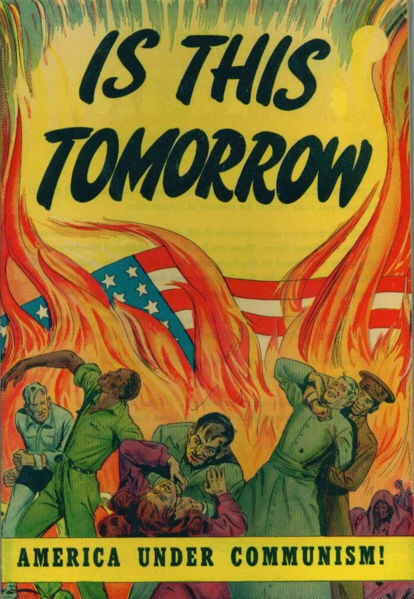
As a product of the Cold War, individuals that were stateside in the U.S. faced an immense deal of fear, anxiety, worry, and threat that they were going to be attacked from communist Russia. The two primary concerns that people had however were the spread of Communist rule and Atomic warfare. As a result, the United States made it evidently apparent that they were willing to back up their opposing outlook on Communism with military strength and Economic/financial support as well. In addition to the vast mental strain and threat employed by Russia, the economy in the US flourished and there was a major spike in the mass production of cars along with an increase in the housing market. Popular Culture also changed greatly as television shows acted as a popular outlet for individuals to cope with the threat from Russia. In addition, there was also a drastic revival in terms of the popularity of religion during this time due majorly in part to the fear of being attacked and people’s lives being threatened. Racial Segregation also became more and more prominent as white Americans moved into Levittowns away from the crowded cities and as African Americans began to transition from the South into cities towards the West Coast. Puerto Rican and Hispanic citizens also began to inhabit Harlem as more and more people began to move out into the suburbs away from the cities. Finally, the U.S. also underwent a dramatic upwards increase in terms of population that was known as the “baby boom” that correlated with the massive expansion of people dispersing across the U.S. as well.
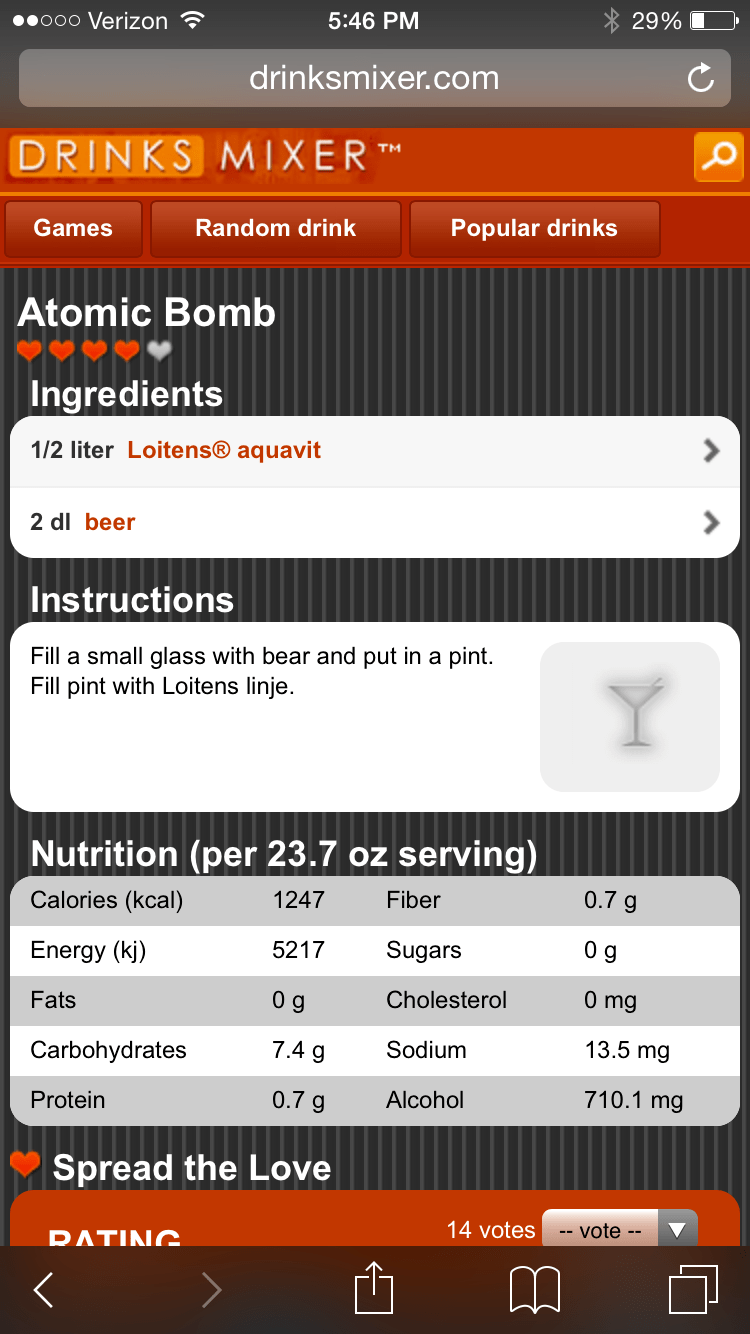 Within lecture, Prof. Putmam discussed how individuals during war periods would satirize and correlate the atomic bomb with everyday things such as alcoholic drinks and the name of songs in order to cope with the fear of possibly being attacked by foreign forces. Above is an example of a drink named after the atomic bomb that was also prevalent during these times of war as people would try to mask their true fright.

 HACK It!